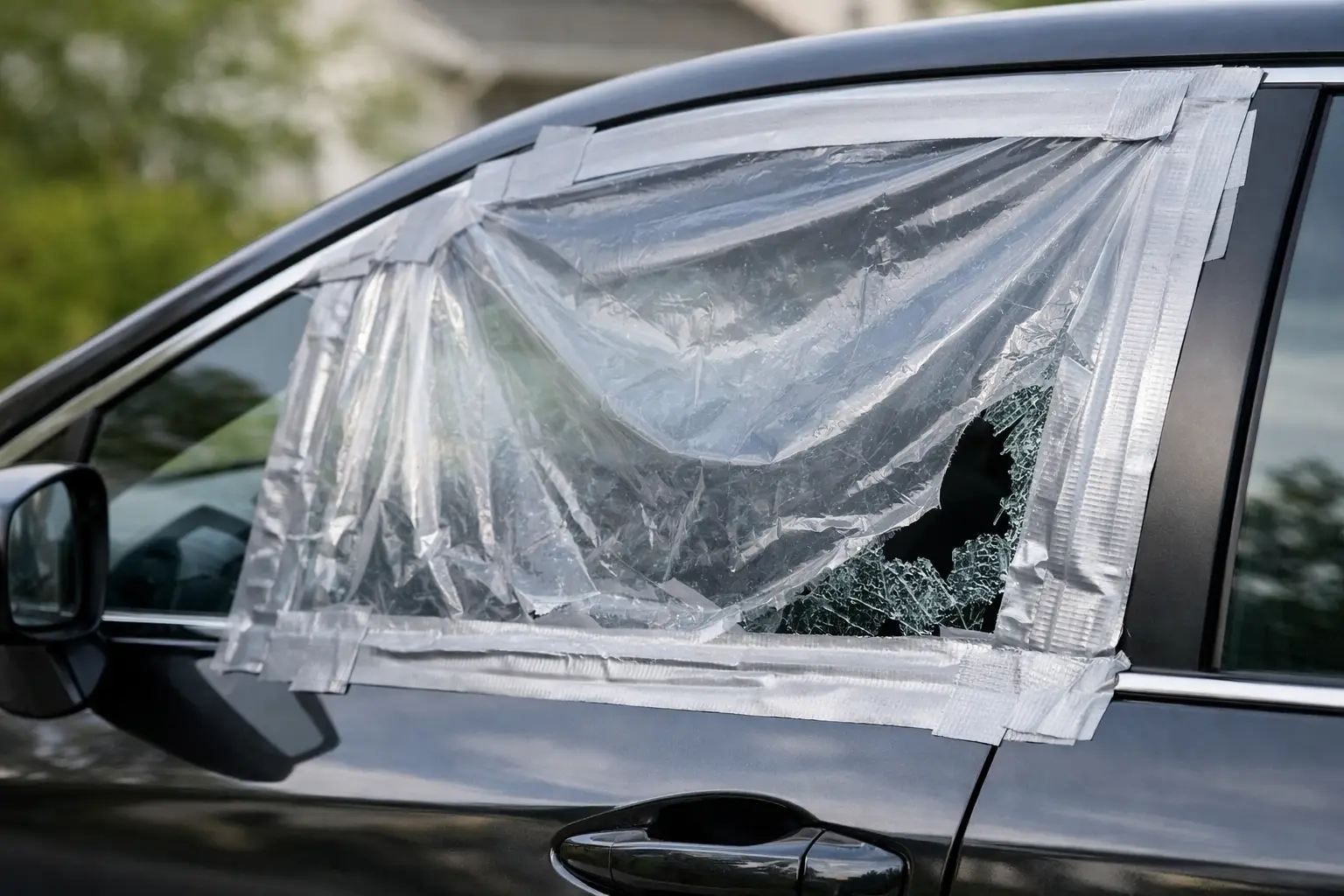
A shattered pane changes the situation in seconds. One minute your home, storefront, or rental property is secure. The next, you need a broken window temporary cover that keeps out weather, debris, and unwanted entry without creating a bigger problem.
In an emergency, speed matters, but so does doing the job right. A loose sheet of plastic might look like a quick fix, yet it can fail in wind, leak in rain, and leave sharp glass hazards in place. A proper temporary cover is about immediate protection, safe cleanup, and stabilizing the opening until permanent glass replacement can be measured and installed.
What a broken window temporary cover should actually do
A temporary cover has one job on paper – close the opening. In real conditions, it needs to do more than that. It should block access, reduce the chance of further damage, and hold up long enough for replacement glass to be ordered and installed.
For a home, that may mean protecting your family from weather exposure, insects, and security risks. For a business, it may mean preventing theft, reducing liability, and making sure customers and employees are not walking past exposed glass edges or an open storefront. For landlords and property managers, the concern is often broader. You are protecting the unit, limiting tenant complaints, and documenting that the property was secured right away.
That is why not every temporary cover is equal. The right solution depends on the size of the opening, the type of frame, the floor level, weather conditions, and whether the damage happened in a bedroom window, a sliding glass door, or a commercial storefront.
When plastic is enough and when board-up is the safer choice
Some people hear broken window temporary cover and think of heavy plastic and tape. In a few situations, that can work for a very short period. If the glass has a small crack, the frame is intact, the weather is calm, and there is no real security concern, a temporary plastic barrier may reduce drafts until a technician arrives.
But that is not the same as securing a broken window after a break-in, storm impact, or major shatter. If glass is missing, if the frame has been compromised, or if the opening faces a public area, board-up is usually the safer choice. Plywood or other rigid material, properly cut and fastened, provides real resistance against weather and unauthorized entry.
This is where experience matters. A rushed cover can trap moisture, damage the frame, or put stress on the surrounding glass. On commercial properties, a poor board-up can also create an appearance problem that affects customer confidence. Temporary protection should be secure and professional, not improvised.
Broken window temporary cover options for homes and businesses
Residential and commercial openings do not behave the same way, so they should not be covered the same way either.
Residential window and door openings
In homes, the priority is usually fast protection and safety. Bedrooms, living room windows, patio doors, and side entry glass all create different risks. A small double-pane window may be stabilized differently than a large sliding door panel. In some cases, the safest step is removing loose shards, protecting the frame, and installing a rigid cover that stays in place through weather and overnight hours.
Homeowners sometimes try cardboard, trash bags, or thin acrylic sheets. Those stop almost nothing. They tear, bow, and often make the cleanup harder later. A proper temporary cover should fit the opening and account for the type of frame so the final replacement is not made more complicated.
Storefront and commercial glass openings
For businesses, a broken window temporary cover is also a business continuity issue. A damaged storefront can expose merchandise, interrupt operations, and send the wrong message to customers. Fast board-up service helps secure the location right away while giving a contractor time to measure correctly for the replacement glass or door system.
Storefronts often involve tempered safety glass, insulated units, aluminum framing, or large panels that need precise handling. Temporary securing must account for visibility, access points, and code-related concerns. A cover that works on a small house window may be completely wrong for a retail entrance or office front.
What to do immediately after the glass breaks
First, keep people away from the area. Broken glass spreads farther than most people expect, especially after impact or forced entry. Shoes carry shards into other rooms, and pets or children can get hurt before anyone realizes how wide the debris field is.
If it is safe to do so, isolate the space and avoid touching jagged edges in the frame. Do not force out cracked panes that are still partly attached unless you have the right protective gear and know what the glass is doing. Some damaged panes look stable and then drop unexpectedly.
If weather is moving in or the opening is at street level, time matters. That is when calling a licensed emergency glass and board-up contractor is usually the smartest move. The goal is not just to cover the opening. The goal is to secure the property, remove immediate hazards, and set up the next step without causing more damage.
Why DIY temporary covers often fail
A lot of DIY fixes fail for simple reasons. The material is too weak, the measurements are off, or the cover is attached to unstable sections of the frame. In high wind, tape peels, plastic flaps loose, and water gets inside. On a storefront, that can mean damaged flooring, ruined inventory, and a location that still is not secure.
There is also the safety issue. Broken glass cleanup is not a casual task. Tiny shards remain in tracks, sills, landscaping, and carpet. People often focus on the visible damage and miss the hidden hazards. That leaves homeowners, tenants, employees, and customers at risk even after the opening looks covered.
Professional emergency service solves two problems at once. It secures the opening now, and it prepares the job for proper replacement later. That includes clearing dangerous debris, checking the frame, taking accurate measurements, and deciding whether the next step is repair, glass replacement, or a larger restoration.
Why professional board-up is the better emergency move
A professional board-up is built for the actual conditions on site. That means the opening is measured correctly, the covering material is selected based on the size and exposure, and the installation method is chosen to protect both the structure and the future repair.
It also means the work is done by people who deal with emergencies every day. They know the difference between a quick cosmetic cover and real property securing. They know how to protect a damaged storefront overnight, how to stabilize a residential slider after impact, and how to work fast without turning an urgent problem into a bigger repair bill.
For property owners in Ventura County, Los Angeles County, and the San Fernando Valley, that speed can make all the difference. Emergency Glass Repair & Board Up Services responds with the urgency these situations demand, handling cleanup, securing, measuring, and follow-up repair from one call.
How long should a temporary cover stay in place?
Temporary means temporary. A professionally installed cover can hold up well while replacement glass is being ordered, but it is not the finish line. The longer a temporary board or cover remains in place, the more likely it is that weather exposure, repeated use, or appearance issues will become a problem.
For homes, that may mean reduced light, reduced insulation, and a constant reminder that the opening still needs to be restored. For businesses, it may mean curb appeal issues, customer hesitation, and disruptions to normal operations. The right move is to secure first, then move quickly into permanent repair or replacement.
That process matters because not all glass can be replaced the same day. Some units need custom sizing, tempering, tint matching, or fabrication for commercial systems. A good emergency contractor plans for that from the first visit instead of treating the temporary cover as a complete fix.
Choosing the right response after a broken window
The best broken window temporary cover is the one that matches the actual risk. A minor crack may need short-term stabilization. A shattered ground-floor window or broken storefront usually needs immediate board-up. If there is any question about safety, entry risk, or structural damage around the frame, it is worth treating the situation as urgent.
What property owners need most in that moment is not guesswork. They need fast response, real cleanup, and a secure cover installed by people who know glass, frames, and emergency conditions. When the opening is protected correctly from the start, the permanent repair goes smoother, the property stays safer, and the disruption stays smaller.
If your window has been broken, the smartest next step is the one that protects people first and buys you time the right way – not just until morning, but until the glass is properly restored.