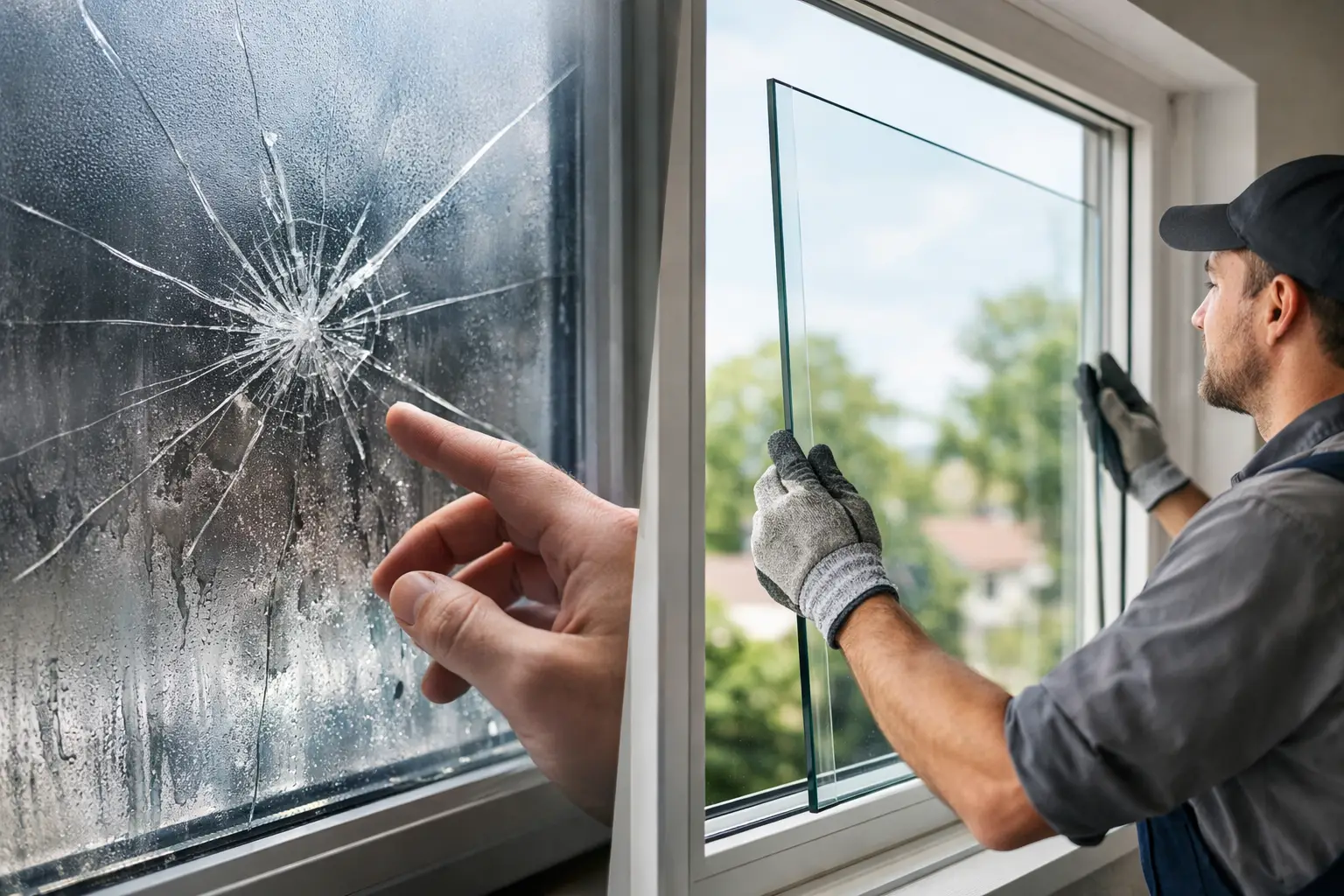
A hairline crack in a bedroom window can turn into a full break after one hot afternoon. A chipped storefront panel can become a liability before the next customer even walks in. If you are asking when should window glass be replaced, the real answer is usually sooner than people think – especially when safety, security, or weather exposure is involved.
Glass does not have to be shattered to be a problem. In homes, bad glass can let in moisture, outside noise, and drafts that raise energy bills and make rooms less comfortable. In commercial buildings, damaged glass can affect appearance, security, and customer confidence. Once the glass is compromised, waiting often makes the repair more expensive and the risk harder to control.
When should window glass be replaced instead of repaired?
The biggest factor is whether the glass is still structurally sound. Small cosmetic issues can sometimes be repaired, but cracks, impact damage, seal failure, and unstable panes usually call for replacement. If the glass no longer protects the property the way it should, replacement is the right move.
A single chip at the edge of a pane is more serious than a small mark in the center. Edge damage weakens the entire panel and can spread fast with vibration, temperature swings, or pressure on the frame. This matters in both residential windows and commercial storefront systems, where the glass is part of the building’s first line of defense.
If the window has already shifted in the frame, rattles in the wind, or shows signs of stress around the corners, replacement is often safer than trying to save the pane. The same applies after a break-in, attempted forced entry, or storm impact. Even if the glass is still standing, hidden weakness can leave the property exposed.
Clear signs window glass needs replacement
Cracks are the most obvious sign, but they are not the only one. Fogging between panes in insulated glass means the seal has failed. Once that happens, the window is no longer performing as designed. You may still see through it, but the insulating value has dropped, and moisture can keep building inside the unit.
Scratches can also justify replacement if they affect visibility, appearance, or safety. This is especially true for retail storefronts, office entry glass, and sliding glass doors where presentation matters. Deep scratches cannot always be polished out without distorting the surface, and in customer-facing spaces, worn glass can make the whole property look neglected.
Another warning sign is recurring condensation where it should not be. Interior condensation can point to humidity issues in the building, but condensation trapped inside double-pane glass usually means the unit itself has failed. Once the seal is gone, replacing the glass is the durable fix.
You should also pay attention to discoloration, warping reflections, and panels that look bowed or uneven. These problems can indicate manufacturing failure, age-related wear, or heat stress. In some cases, the frame may still be usable while the glass needs to be replaced. In others, both need attention. That is why a field assessment matters.
When broken window glass becomes an emergency
Some situations are not really maintenance questions at all. They are emergency calls. If the glass is shattered, hanging loose, scattered across the floor, or leaving the property open to entry, weather, or injury, replacement should be treated as urgent.
That urgency is even higher for street-facing businesses, occupied rentals, schools, and family homes with children or pets. Broken glass creates immediate hazards, but the bigger issue is exposure. One damaged window can lead to theft, water intrusion, wind damage, and business interruption in a matter of hours.
In those cases, the right process is usually immediate board-up or temporary securing first, then precise measurement and permanent replacement. That is how experienced emergency contractors handle the problem without leaving the building vulnerable. Emergency Glass Repair & Board Up Services is built around that exact response – secure first, clean up the hazard, then replace the glass correctly.
How long can you wait to replace damaged glass?
It depends on the type of damage, the location of the window, and what the building is being exposed to. A decorative interior pane with minor damage is not the same as a cracked bedroom window, a patio door panel, or a storefront next to a parking lot.
If the damage affects safety, security, insulation, or weather resistance, waiting is a gamble. Cracks tend to spread. Failed seals do not repair themselves. Loose glass becomes more dangerous with movement, wind, and repeated door slams nearby. In high-traffic commercial spaces, delay also raises the chance of customer injury and liability.
There is also the cost issue. Many property owners put off replacement to save money, but damaged glass often causes secondary problems. Water can reach framing materials. Air leaks can push HVAC costs up. Temporary patch jobs can fail at the worst time. Replacing the glass promptly is usually cheaper than paying for the damage that follows neglect.
Residential vs. commercial replacement decisions
Homeowners usually focus on comfort, energy efficiency, appearance, and family safety. Property managers and business owners also have to think about code compliance, tenant complaints, storefront appearance, and whether a damaged pane makes the building look unsecured.
For homes, common replacement triggers include cracked dual-pane windows, broken patio door glass, fogged bedroom windows, and impact damage after storms or accidents. For commercial properties, the threshold is often even lower. A visibly damaged storefront can affect foot traffic, employee safety, and how seriously customers take the business.
Commercial glass also tends to involve thicker panels, tempered glass, laminated safety products, door closers, metal framing systems, and custom fabrication. That means replacement is not something to guess at. The wrong glass type can create safety issues and code problems. The right contractor verifies what belongs there before the new panel is ordered and installed.
When should window glass be replaced after a storm or break-in?
After a storm or forced entry, assume the glass needs professional evaluation even if the damage looks minor. Impact can weaken tempered or insulated units without causing immediate collapse. You may see a chip, a corner fracture, or a line in the pane and think it can wait. Then the next pressure change, temperature swing, or vibration finishes the break.
Storm damage can also twist frames, loosen glazing, and let water into surrounding materials. Break-ins create a different set of risks. The glass may be compromised, the opening may no longer be secure, and there may be sharp fragments left in the sash, door frame, or ground nearby. In both cases, quick securing and accurate replacement protect the property from a second hit.
This is where local rapid response matters. An emergency glass contractor who can arrive fast, board up if needed, and return with the correct replacement saves time and reduces exposure. That is especially important for storefronts, rentals between tenants, and homes left vulnerable overnight.
Replace the glass or replace the whole window?
Not every damaged window requires a full window replacement. If the frame is in good condition and the issue is limited to the glass unit, glass-only replacement is often the smarter and more cost-effective option. This is common with insulated glass units, patio doors, and many commercial panels.
But if the frame is rotted, bent, rusted, badly out of square, or no longer holding the glass properly, replacing only the pane may not solve the real problem. You can install new glass into a failing frame and still end up with leaks, stress cracks, or operational issues. That is why a proper inspection matters more than a quick guess from across the room.
The right answer is the one that restores security, safety, and performance without cutting corners. Sometimes that means replacing just the glass. Sometimes it means a larger fix. Either way, you want licensed experts measuring and installing it correctly the first time.
If your glass is cracked, fogged, loose, or broken, do not wait for it to turn into a bigger problem. The safest time to replace damaged window glass is before it fails completely and before your property pays the price for the delay.