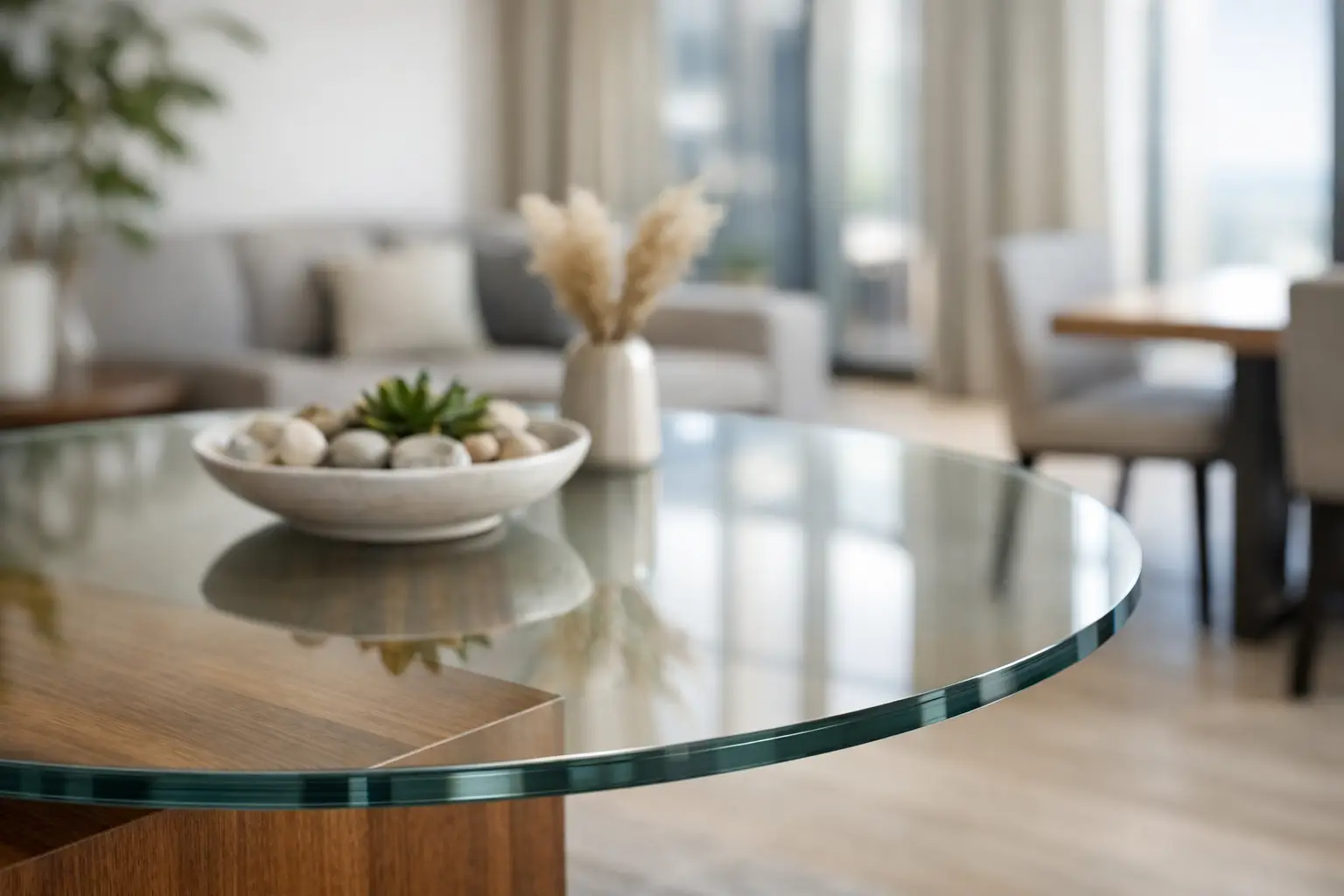
A glass top that is off by even a fraction can turn a clean-looking table into a daily problem. It can shift, overhang, leave corners exposed, or sit unevenly on the base. That is why custom glass table tops are not just about appearance. They are about fit, protection, safety, and getting the job done right the first time.
For homeowners, a custom top can protect a wood dining table, patio set, desk, or antique piece from scratches, moisture, and heat marks. For businesses, it can sharpen the look of a conference table, reception area, display surface, or waiting room while standing up to constant use. In both cases, precision matters. When the glass is measured correctly, fabricated properly, and installed with care, the finished result looks clean and feels secure.
Why custom glass table tops make more sense than stock sizes
Stock glass works only when the table happens to match standard dimensions. That is rare. Most tables have their own shape, edge detail, pedestal placement, or design quirks that make off-the-shelf glass a compromise.
Custom glass table tops are built to the actual dimensions of the furniture or base they will sit on. That gives you better coverage, cleaner alignment, and fewer issues with movement. It also lets you choose the glass thickness, tint, edge finish, and corner style that match the way the table will be used.
This is especially important when the table is part of a business setting. A reception table, showroom display, or conference room surface has to look professional, but it also has to hold up under steady traffic. The right custom fabrication helps with both. You get a polished finish without gambling on a poor fit.
Protection is usually the first reason people call
Many customers want glass because they are trying to preserve the surface underneath. Wood tables, painted furniture, stone tops, and specialty finishes all take damage over time. Drinks leave rings. Keys scratch. Office equipment leaves scuffs. Daily use adds up fast.
A properly fitted glass top acts as a shield. It protects the furniture while still allowing the original design to show through. That matters if you have a high-end dining table at home or a custom desk in a professional setting that you do not want covered with a cloth or pad.
There is a trade-off, though. The wrong glass thickness or edge style can make the table feel bulky or out of place. Thin glass may work for light-duty protection on a small side table, but larger tables and commercial surfaces often need thicker material for stability and a stronger visual finish. This is where experienced measuring and fabrication make a difference.
Choosing the right thickness depends on use
Not every table needs the same glass. A small accent table and a large freestanding conference table do not carry the same demands. Thickness affects strength, weight, appearance, and how substantial the finished piece feels.
For simple furniture protection, thinner glass may be enough if the underlying table fully supports it. For heavier use, larger spans, or tops sitting on a base rather than a full surface, thicker glass is usually the smarter choice. It tends to feel more solid, looks more substantial, and handles everyday wear better.
This is one of those areas where guessing can cost you. Too thin, and the glass may not feel secure for the application. Too thick, and you may add unnecessary weight or create a heavy look that does not fit the room. A licensed glass professional can assess the base, the support points, and the intended use before recommending the right build.
Edgework changes both safety and appearance
The edge of a glass table top is not a minor detail. It affects how the piece looks, how it feels, and how safe it is in a busy home or business.
A standard seamed edge may be acceptable for some protective covers where the glass sits within a frame or where appearance is secondary. But many customers want something more refined, especially for dining rooms, offices, lobbies, and retail spaces. A polished edge creates a cleaner, more finished look and is usually the better option when the edge will remain visible.
Corners matter too. Sharp corners may suit some modern designs, but eased or rounded corners can reduce the chance of impact injuries in tighter spaces. That can be a smart move in homes with children or in commercial environments where people move quickly around furniture.
Shapes are where custom fabrication really matters
Rectangles are common, but they are far from the only request. Round dining tables, oval conference tables, racetrack shapes, and uniquely cut display surfaces all require exact measurements. Even a straightforward rectangle may need cutouts, clipped corners, or precise spacing to align with a decorative base.
That is why templating and field measurement matter. If the top is for a one-of-a-kind table, a built-in feature, or a commercial fixture, rough dimensions are not enough. Small errors become obvious once the glass is installed.
An experienced local team can measure on site, account for real-world conditions, and make sure the finished piece fits the way it should. That is especially useful after damage, when a previous glass top has shattered and there is no room for a second mistake.
Tempered or standard glass depends on the application
Safety should always be part of the decision. In many table top applications, tempered glass is the better choice because it is designed to break into smaller, less dangerous pieces if impacted. That makes it a strong option for family homes, commercial settings, and larger tops where safety is a bigger concern.
There are cases where standard annealed glass may be used, particularly for smaller protective covers with full support underneath. But it depends on the table, the location, and the level of exposure to impact. If the table will be used heavily, if it sits in a public-facing business, or if code and liability matter, tempered glass is often the safer route.
This is not an area for assumptions. The best choice depends on use, size, support, and risk.
When custom glass table tops are part of a larger repair job
Sometimes the need for a table top comes after an accident, break-in, or interior damage event. A glass table in a lobby gets shattered. A retail display surface breaks during a forced entry. A patio table is damaged in a storm. In those situations, speed matters just as much as finish quality.
That is where working with a glass contractor instead of a general furniture vendor can make a real difference. A contractor that handles emergency response can secure the area, remove hazardous broken glass, take precise measurements, and move the job toward replacement without losing time. For property managers and business owners, that means less disruption and a faster return to normal use.
Emergency Glass Repair & Board Up Services works in that real-world space every day. The same attention required to secure a damaged storefront or replace broken panels safely applies to table tops too – accurate measuring, clean fabrication, and professional installation.
Installation matters more than most people expect
Even a perfectly fabricated piece can become a problem if it is installed poorly. The glass has to sit level, align properly with the base or table surface, and use the right bumpers or supports to prevent shifting and direct contact stress.
This is especially important on pedestal bases, metal frames, and furniture with uneven surfaces. If the glass is not supported correctly, pressure points can form. Over time, that increases the chance of damage. On larger pieces, handling and placement also need care. Heavy glass is not something to drag into position and hope for the best.
Professional installation also helps avoid cosmetic issues. Fingerprints, grit trapped underneath, slight misalignment, and poor spacing all stand out once the glass is in place. Done right, the top looks like it belongs there from the start.
What to expect when ordering a custom piece
The process should be straightforward. First comes measuring, either from exact dimensions or an on-site visit for more complex pieces. Then the glass type, thickness, edge finish, corner detail, and shape are confirmed. After fabrication, the piece is delivered and installed carefully.
The timeline depends on size, shape, and whether tempering or specialty finishing is required. If the need is tied to damaged property or a business interruption, it helps to work with a local company that understands urgency and can move quickly from assessment to replacement.
The goal is simple. You want a top that protects the furniture, fits the space, looks professional, and holds up under real use. Not close enough. Right.
If you are replacing broken glass or ordering for a new table, treat the measurement and installation phase as seriously as the material itself. A well-made custom glass table top should give you peace of mind every time you see it, use it, and count on it to protect what is underneath.